1
Call or request service
Start with the phone number when the issue needs quick attention, or use the contact page as a simple preview path.
 HVAC Mesa
Know what happens after you call, what a visit is meant to solve, and how repair, cleaning, or replacement recommendations are explained.

The point of the process page is not to overpromise. It is to reduce hesitation by showing how a cooling problem gets described, checked, and turned into a useful next step.
Start with the phone number when the issue needs quick attention, or use the contact page as a simple preview path.
Describe what the system is doing: warm air, weak airflow, uneven cooling, strange noise, or maintenance concerns.
Clarify the Mesa-area location and timing so the service visit starts with the right context.
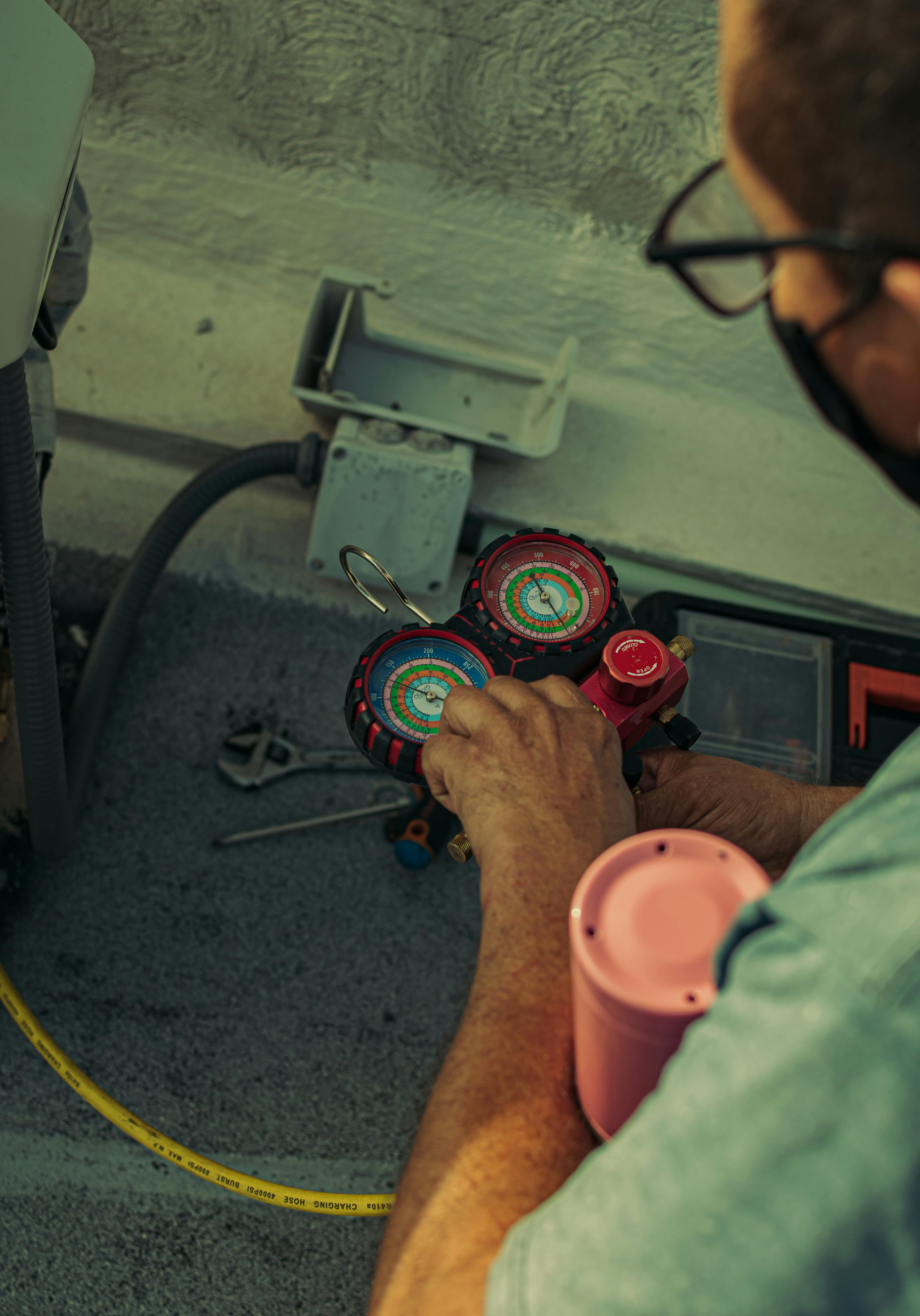
The on-site goal is to understand why cooling or airflow changed and what part of the system needs attention.
Recommendations should separate repair, cleaning, maintenance, or replacement planning instead of blending them together.
Once the cause is clearer, the homeowner can decide how to move forward with the right level of work.

That is normal. Start with the symptom the home is showing. The process is there to help clarify which category makes sense.
That still matters. Weak airflow, uneven cooling, and rising run time often show up before a system fully stops.
The process should still begin with clarity. Replacement should come from a practical explanation, not pressure.
When cooling is the concern, direct contact helps the homeowner move faster than an email-only path.